Sherwood Park Campus Cohort
Sherwood Foundation School - Sherwood Park Campus is a specialist school for learners aged 3 - 19 years who have severe, multiple and complex learning difficulties and/or disabilities. This includes learners who have highly complex access needs resulting from their physical and/or health conditions. All learners require high levels of adult support to access learning.
About Sherwood Pathways
We have specific pathways for learning on each campus which enables us to group learners with peers who have similar strengths and needs to them, creating a feeling of belonging and opportunities for developing social partners and friendships. This also ensures that all learners have equal opportunities to access and thrive within the curriculum offered, with learning tailored to their needs with appropriate stretch and challenge. Most of these pathways are tracked through the school, with classes in the lower, middle and upper school. However, one pathway on each campus identifies learners who have significant barriers to learning which prevent their ability to access learning in full on the other pathways. Learners on these pathways are placed in classes on pathways appropriate to their academic ability/ learning style, however they require additional highly specialist accommodations, adaptations and approaches to support their access to learning in class. This additional support pathway on the Sherwood Park Campus is the Pine Pathway (see details below) although there may be a Pine Pathway class in the upper school at times where the cohort allows. Some learners remain in the same pathway throughout their school journey, whilst other learners move between pathways based on their progress and/ or changing needs.
Pathway Names
Maple Pathway
|
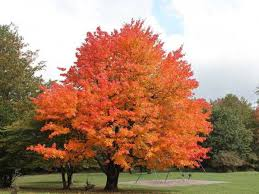
Learners on the Maple Pathway often have complex physical and medical needs. They are limited in their interactions with others and the environment by their difficulties with attention and engagement, as well as by their physical and sensory impairments. They need high levels of support to access learning and constant repetition of skills to embed learning and develop autonomy.
Learners Needs
| Cognition and Learning |
| Learners struggle to attend to and engage with the world. They are beginning to show emerging awareness of and respond consistently to activities, experiences and people. Persistent difficulties in engagement, attention and arousal levels have a significant impact on their rate of progress and their availability for learning (impacted by health, postural, tone, and sensory impairments). They can also present with hypervigilance of their environment, impacted by positioning, which can interrupt and break attention to all learning, interactions and activities of daily living. Pupils are emergent literacy and numeracy learners and require significant time and repetition to develop and consolidate these skills. |
| Communication and Language |
| Learners' ability to communicate and show their understanding is significantly impacted by their physical and sensory impairments. Learners are emergent in understanding aspects of their day to day routine and the world around them. Their responses to aided language (e.g. symbols, objects of reference etc) are fleeting and inconsistent. They often have limited means of intentional communication that is ‘pre-symbolic’ and highly unique to the individual that requires highly attuned adults to interpret. |
| Social, Emotional & Mental Health |
| This cohort may fleetingly engage and momentarily actively participate in meaningful social relationships and self occupancy. Many have social intent but experience difficulties with attention and engagement (often related to complex health needs), as well as physical and sensory impairments which can reduce their availability to interact with others. Regulation difficulties often present as withdrawal and/or self-injurious stress behaviour. These learners can have high levels of emotional lability and require consistent co-regulation support throughout their day to support positive wellbeing. |
| Physical, Sensory & Physical Health |
| This cohort have complex sensorimotor impairments which means learning happens through sensorimotor exploration, opportunities to experience activities in different positions and through developing meaningful relationships with adults. This is often supported and heavily scaffolded by specialist equipment, environmental adaptations and complex access methods. Learners may have considerable health needs requiring specialist support. Health and medical needs can require position changes, suctioning, complex seizure management, oxygen, enteral feeds etc. where learning shifts to co-regulation support and opportunities for developing autonomy. Health needs may lead to periods of time where the learning focus is on maintenance of skills. |
| Independence |
|
Learners in this cohort are fully supported by adults for all aspects of daily living activities, but consistently work towards actively participating in aspects of these tasks themselves. They require highly attuned adults to notice, acknowledge and respond to subtle individualised communication of consent and protest.
|
|
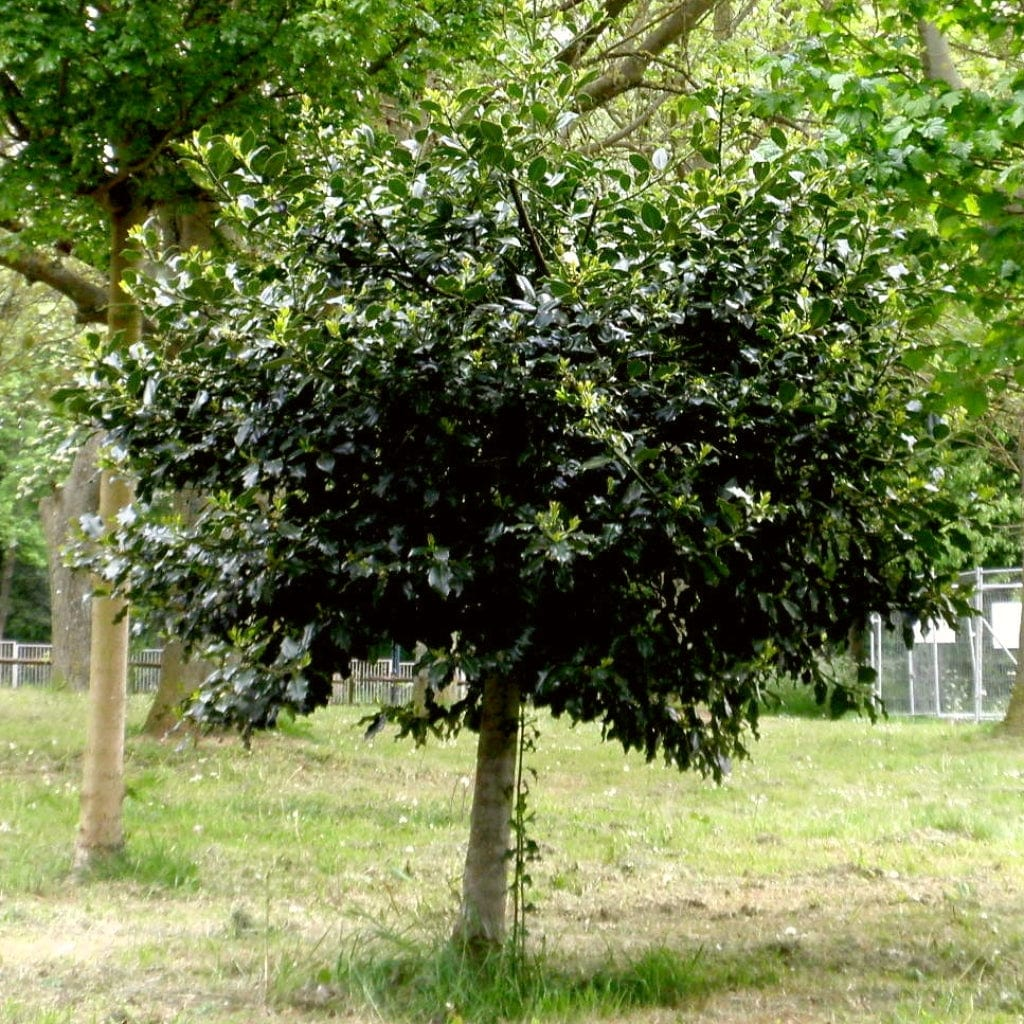
Holly Pathway
|
Learners on the Holly Pathway learn through sensorimotor exploration, intensive interaction and repetition. Their regulation and social differences mean they require high levels of support to work alongside others and build on previously learnt skills. Learners may also have significant physical / sensory impairments and medical needs.
|
Learners Needs
| Cognition and Learning |
| Learners are beginning to engage and show interest in a wider range of activities through exploratory sensorimotor and relational based activities linked to the interests and motivations of the individual. The learner’s curiosity of the world is not yet driving their learning experiences and their sensory motor preferences often have an impact on their ability to shift attention to engage in a wider variety of learning opportunities. Learners are beginning to develop emergent literacy and numeracy skills and apply these skills through functional activities that are motivating to the individual. They are beginning to develop an understanding of core learning through practical learning experiences. |
| Communication and Language |
| Learners are beginning to attend to and attribute meaning to activities linked to areas of interest. They often present with fleeting attention, and struggle with sustaining interactions to expand on learning concepts. They have an emerging understanding of the purpose of communication and some symbolic vocabulary around familiar routines and motivating activities through the use of communication systems, body language and/or speech. |
| Social, Emotional & Mental Health |
| Learners are beginning to intentionally communicate for a range of purposes through increasingly adaptive communication and emerging conventional communication. They often struggle to engage in circles of communication beyond highly motivating activities and people. They often have limited interest in their peers and rarely learn through copying others. These learners have high anxiety levels and/or significant difficulties acquiring and attaining a regulated state for learning new skills. This cohort can often self occupy in relation to their own self interests, however these often lead to increased stress if engaged in for long periods, or when transitioning away from. |
| Physical, Sensory & Physical Health |
| This cohort have sensory differences / impairments that have a significant impact on their regulation, attention, engagement and motor development. Gross and fine motor skills / development are often impacted by the learner’s difficulties with motivation and therefore sustained practice of tasks. Learners often need support to generate motor ideas and scaffolding and repetition when learning how to plan and sequence new motor tasks. Some learners may have physical disabilities which also impact their ability to access activities. Learners may also have considerable health needs requiring specialist support. Health and medical needs can require position changes, suctioning, complex seizure management, oxygen, enteral feeds etc. where learning shifts to co-regulation support and opportunities for developing autonomy. Health needs may lead to periods of time where the learning focus is on maintenance of skills. |
| Independence |
|
Learners engage in small steps of daily living activities and require support from adults to structure and scaffold learning and provide physical support. Their understanding of safety is significantly impacted by their regulation, attention and social awareness. Learners are supported to learn body autonomy and to consent and protest as they are likely to require ongoing support from adults for daily living activities.
|
Chestnut Pathway
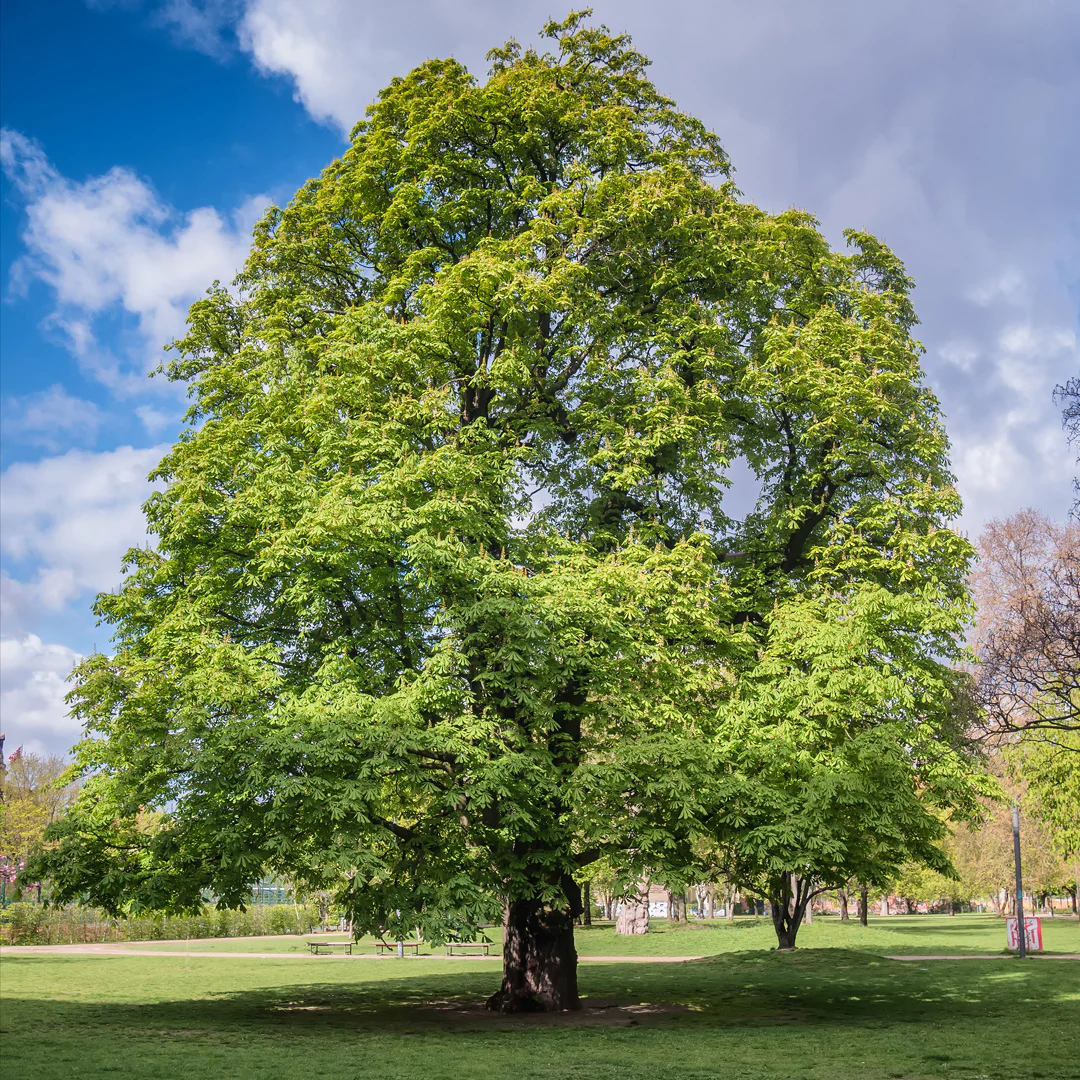
Learners on Chestnut Pathway are generally able to cope with whole class learning but require high levels of small group and paired work to ensure their individualised learning needs can be best met. They are generally motivated to interact with others and can form social partners and/or friendship groups, although they need the support of an adult to scaffold social interactions effectively.
Learners Needs
| Cognition and Learning |
|
Learners generally engage readily in novel learning experiences and continue to consolidate previously learnt skills. They can attend to and engage in structured lessons linked to their age and stage of development and are developing an understanding of known sequences and routines, using these skills to navigate their day. They have challenges generalising skills across contexts/ settings. Learners are able to apply basic literacy and numeracy skills and are emergent in the functional application of these skills. They are able to develop their understanding of core learning functions and apply these e.g. applying writing for purpose in humanities lessons.
|
| Communication and Language |
|
Learners are able to use increasingly multimodal conventional communication (e.g. gestures, symbolic or spoken language). Where relevant they understand the purpose of a communication system and use this with increasing intention and skill. They have limited higher level language skills and often have difficulties applying these skills to social situations or when experiencing stress.
|
| Social, Emotional & Mental Health |
|
Learners can intentionally communicate for a wide range of early communication functions and continue to progress towards later developing communication functions (e.g. negotiation etc). Learners show increasing interest in and friendships with peers but often have difficulties with the shared problem solving required for sustained play & to resolve conflict. They are generally able to explore and engage in a range of play and leisure interests with adult scaffolding. This cohort have an emerging awareness of stress within their body and are beginning to use familiar regulation strategies when supported by attuned adults. They are beginning to advocate for their own regulation and wellbeing needs in an adaptive way.
|
| Physical, Sensory & Physical Health |
|
Motor skills are delayed and learners have difficulty exploring and sequencing multi-step motor tasks. Many of the mobile learners on this pathway have varying levels of praxis difficulties. Some learners may have physical disabilities which also impact their ability to access activities. Their sensory differences / impairments have a significant impact on their engagement and ability to sustain learning activities and social interactions. Difficulties with interoception and motor skills may also impact awareness of and independence in many self care activities.
|
| Independence |
|
Learners are developing independence in activities of daily living within the confines of their physical abilities, however they require individualised support and supervision from adults to monitor safety, problem solve and persist within more challenging activities. Many learners need support to understand safety rules in school and in the community and their safety may be impacted by their regulation needs and social confidence to communicate effectively with those outside of their circle of support.
|
Pine Pathway
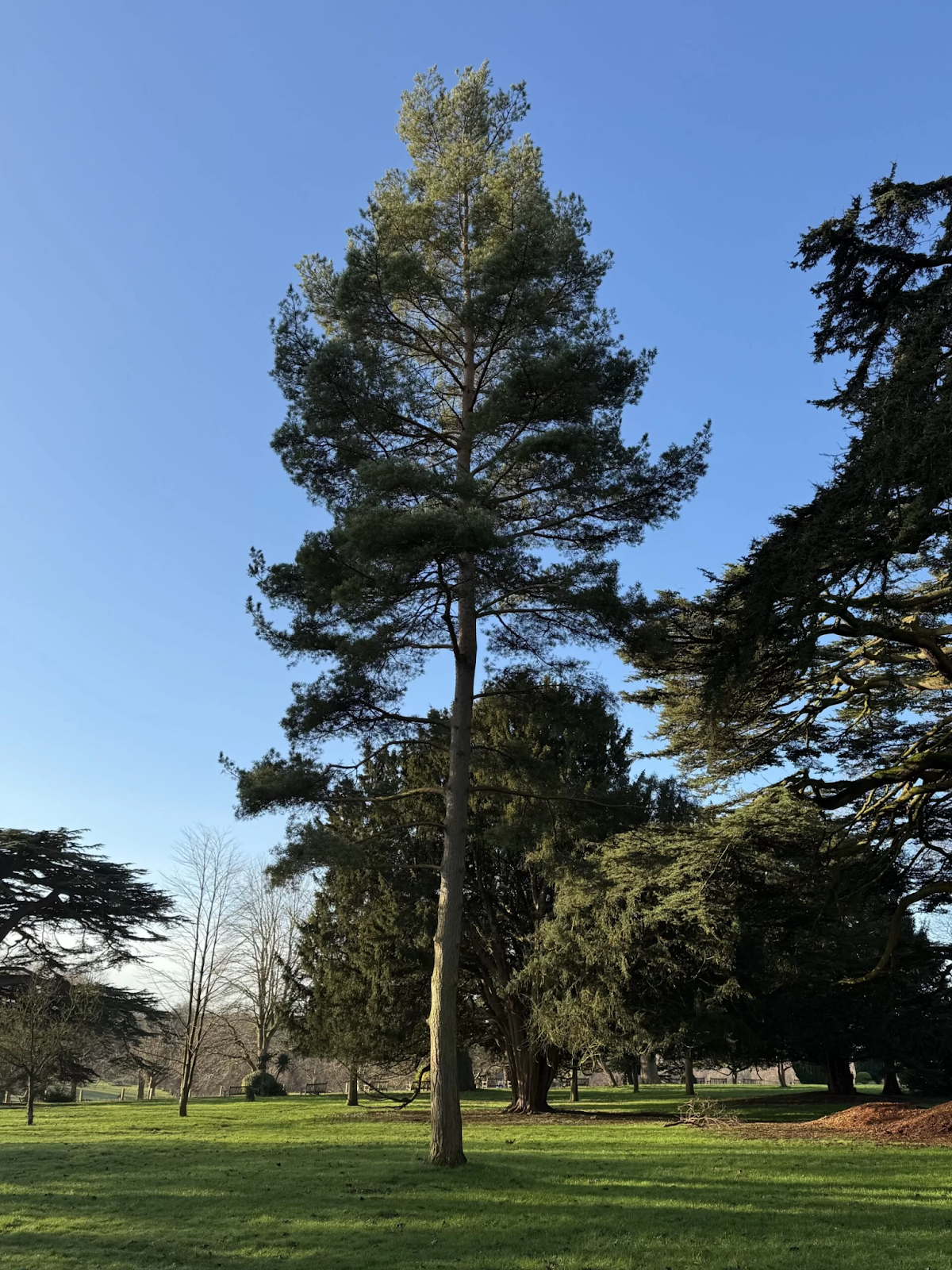
Learners on the Pine Pathway have complex access needs due to their significant physical disabilities and associated medical needs. This means that they are unable to demonstrate their cognitive abilities without significant environmental access and highly individualised and specialised communication and physical support. Social and play skills are reliant on the expertise of attuned communication partners.
Learners Needs
| Cognition and Learning |
|
Learners are able to engage in and consolidate skills in a wide variety of activities but require highly skilled social partners and complex access methods to acquire this learning and to demonstrate their understanding. In the early stages their attention, engagement and participation in learning is affected by their ability to use complex access methods effectively. They need support to develop these skills through exploration of different access methods in order to determine consistency of response and appropriate access supports to fully meet their learning needs. Once access methods are in place they can access conventional literacy & early numeracy concepts within their relevant pathway.
|
| Communication and Language |
| Learners' ability to communicate and show their understanding is significantly impacted by their physical and sensory impairments however they often have a significant difference in their understanding of spoken/symbolic language compared to what they are able to express. Their intentional communication is often subtle and/or inconsistent meaning communication attempts are often missed/misunderstood which can lead to frustration and/or withdrawal. As they develop increasingly conventional communication (e.g. expressive use of AAC) the intelligibility, fluency and time taken to communicate their message continues to impact their ability to have successful communication exchanges. |
| Social, Emotional & Mental Health |
| While learners often experience high levels of emotional lability, their strong social intent acts as a bridge to navigate their regulation needs with trusted adults, particularly once robust AAC is in place. Learners can present with hypervigilance of their environment, impacted by positioning, which can interrupt and break attention to all learning, interactions and activities of daily living. Learners need consistent co-regulation support throughout their day to support positive wellbeing. |
| Physical, Sensory & Physical Health |
| This cohort have complex sensorimotor impairments which means learning happens through developing meaningful relationships with adults and the ability to access activities appropriate to their learning ability. This is supported and heavily scaffolded by specialist equipment, environmental adaptations and access methods. Learners may have considerable health needs requiring specialist support. Learners may have considerable health needs requiring specialist support. Health and medical needs can require position changes, suctioning, complex seizure management, oxygen, enteral feeds etc. where learning shifts to co-regulation support and opportunities for developing autonomy. Health needs may lead to periods of time where the learning focus is on maintenance of skills. |
| Independence |
|
Learners in this cohort are fully aided by adults for all aspects of daily living activities and require small steps to develop their ability to actively participate in aspects of these tasks. They require highly attuned adults to notice, acknowledge and respond to subtle individualised communication of consent and protest. Increased autonomy is developed through appropriate access measures.
|